Japan is a country with a rich cultural background of art, traditions and entertainment. Among these customs, there are the japanese board games that have a special place in the everyday life. Not only a source of entertainment, but also means to meet people, learn how to play, and learn more about Japanese culture, these are also a method of interaction. Visitors to Japan may be frequently amused by seeing locals playing these games in parks, homes and small gaming-pubs. Thus, visiting japanese games is one of the ways in which one can have a distinctive experience of experiencing the social traditions of the country.
Moreover, there are numerous board games in Japan which have existed centuries. Others were imported but came to be deeply entrenched in the Japanese society. These games were developed over time and they became a family affair, part of school, and friendly contest. Due to its cultural implication, japanese games are of weight to the locals and tourists who like knowing all about them. Moreover, most of these games are still today, both physically and electronically, played.
Overview of Popular Japanese Games
It is convenient to know the key features of the japanese games and japanese board games before delving into specifics. Their overall characteristics and their popularity throughout the world are summed up in the table below.
| Feature | Explanation |
| Cultural Importance | Many japanese games are connected with traditional Japanese culture and social gatherings. |
| Strategic Thinking | Most japanese board games focus heavily on logic, planning, and patience. |
| Long History | Some have existed for centuries and continue to be played today. |
| Social Interaction | Japanese board games encourage players to interact, compete, and learn together. |
| Global Popularity | Several japanese games are now played worldwide both offline and online. |
What Makes Japanese Games Unique
Another reason the japanese games are unique is because they emphasize on strategic play as opposed to action-oriented. The decisions made are usually characterised by players having to study the board thoroughly before making decisions. This means that most of the japanese board games are more of a mental puzzle than mere entertainment.
Furthermore, depression of the learning curve differs significantly among variou. There are games that are very simple to follow and there are those that are practiced overtime and need time. An instance of this is a puzzle game which can be mastered in just a few minutes. There are, however, strategic Japanese board games which might take several years to master.
The other interesting thing about japanese games is that language does not impede players enjoying the games. Japanese language has multiple writing systems, however, the use of symbols or numbers is predominant in many japanese board games. Due to this design, the game can be played by the players of other countries without reading Japanese.
Famous Japanese Board Games
The following are just some of the most famous japanese games that have contributed to the culture of board gaming in Japan.
1. Shogi – Japanese Chess
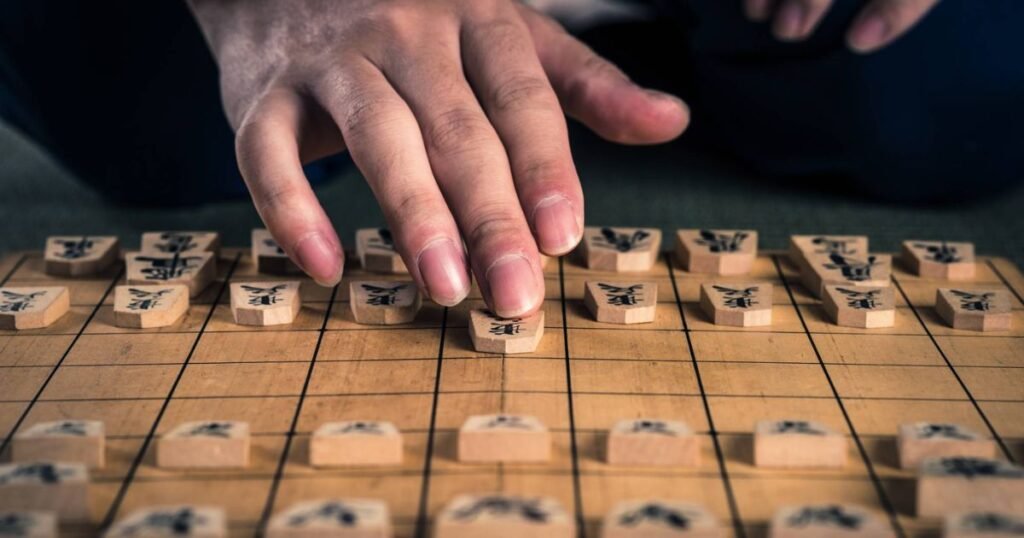
Shogi is regarded as one of the most significant japanese board games. It is usually likened to chess people are concentrated on a strategy and getting the kings of the opponent. Nevertheless, the introduction of a new mechanic in japanese games such as Shogi changes the experience of playing the game compared to traditional chess.
Every player will have 20 pieces at the beginning of the game. The sole aim is to encircle the opponent king in a manner that he or she does not have an escape. Each of the pieces is going to go in a given direction and the players should plan their move attentively. The captivity of pieces can be reused by the opponent unlike in many other japanese board games. This rule invents just some unpredictable strategies and makes each match uncertain.
2. Japanese Mahjong
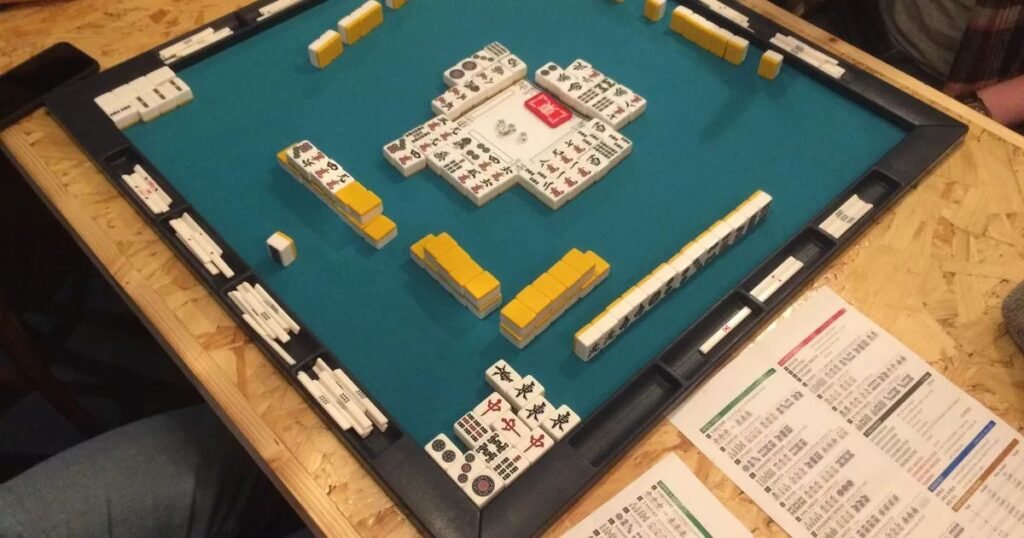
Another popular entry of board games among different japanese board games is mahjong. Even though this game was of Chinese origin, once introduced in the early twentieth century, it gained immense popularity in Japan. Mahjong is deemed to be one of the most played in the country today.
Japanese Mahjong typically is played by three or four individuals. The game is played with the goal of amassing certain sets of tiles and blocking the opponents to complete their sets. Luck and strategy have equal effects on the outcome, which makes Mahjong a well-balanced game that would attract any player.
3. Go (Igo)
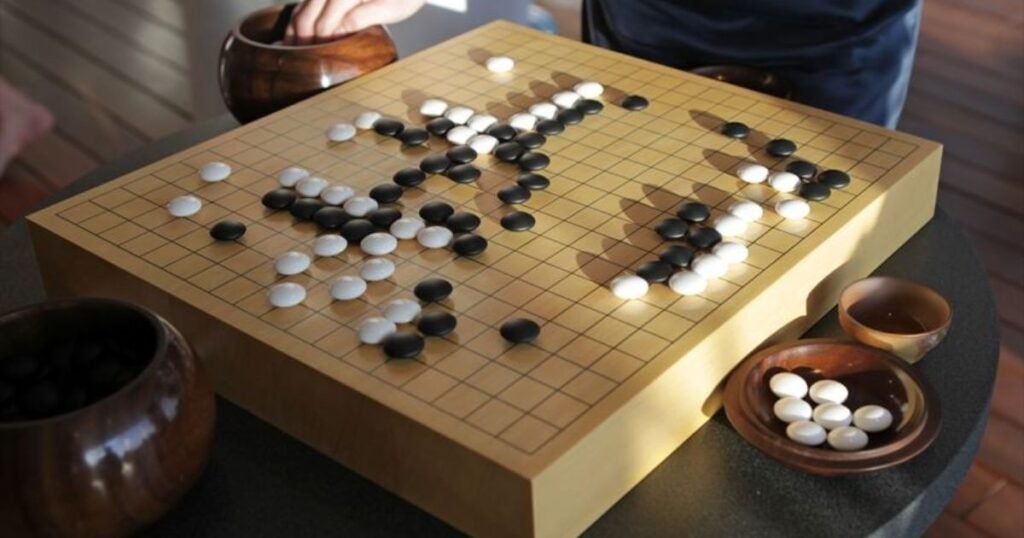
The other mythical instance of japanese board games is go. The game that had its origin in China was highly influential in the intellectual culture of Japan. Go is well known as one of the most strategic japanese games ever to have been made and it is highly revered today.
The game is played using a black and white stones on a large grid board. Two gamers play to have the largest amount of territory on the board. Although the fundamental rules are not complex, one needs to think hard in order to master Go. This game has therefore attracted players over the centuries.
4. Gomoku
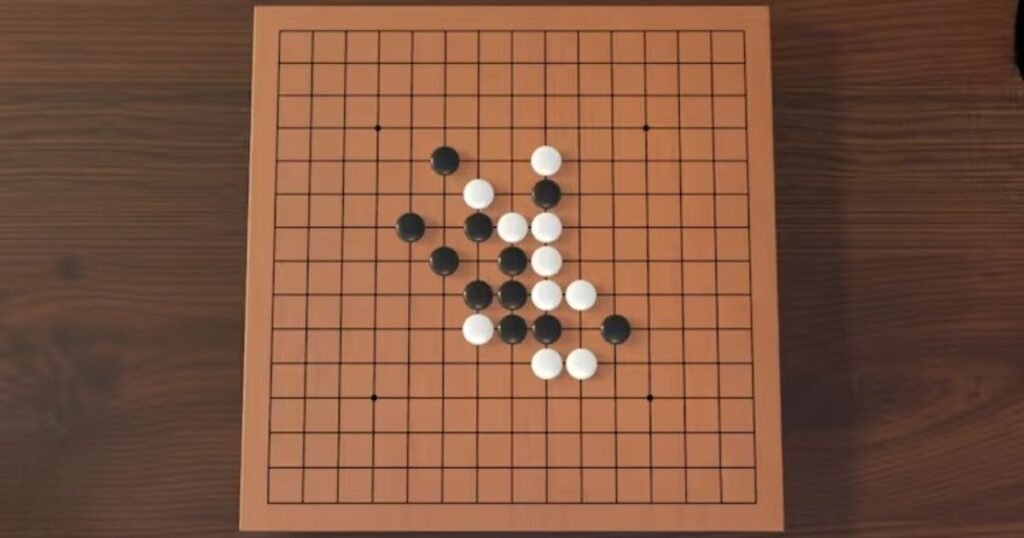
Another intriguing representative of the traditional japanese board games is Gomoku. Its actual name is five pieces and this explains the actual goal of the game. Players have to place five stones horizontally, vertically, or diagonally.
Gomoku is simple to master, unlike other japanese games, which have complicated rules. The game is played by taking turns and placing the stones on the board until someone forms a line with five. The ease of the rules however does not imply that the game is without a strategy.
5. Sudoku
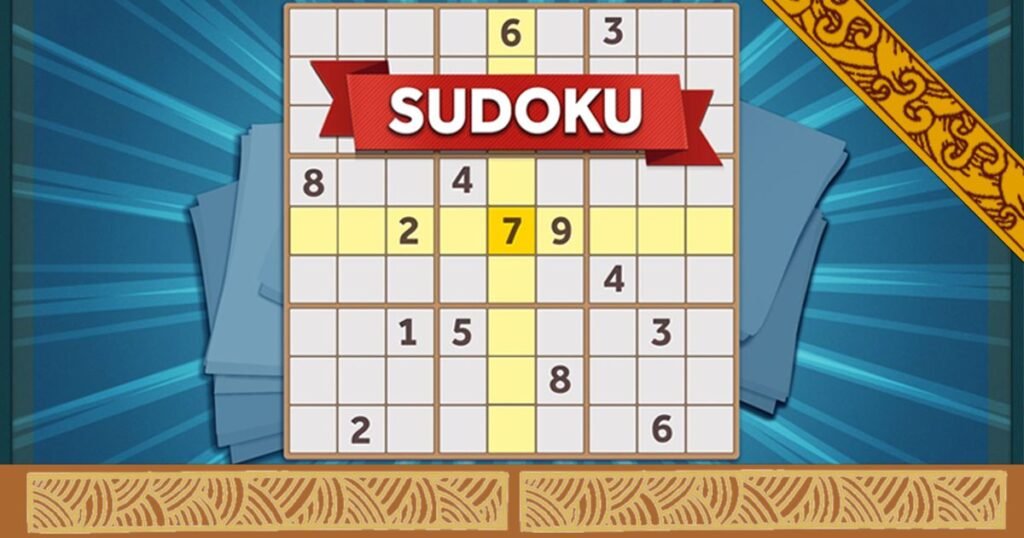
One of the most well known all over the world is Sudoku. Interestingly, the puzzle was first invented in the United States and it was only popular in Japan. However, Japanese publishers were the ones who contributed towards making Sudoku one of the most renowned and used japanese board games and puzzles.
The playing of the game is done on a grid with numbers whose values can be one to nine. Players would be required to fill blank squares and no number would be repeated in a row, column, or square. Though the idea is quite straightforward, solving challenging puzzles may entail serious thoughts.
6. Daifugō
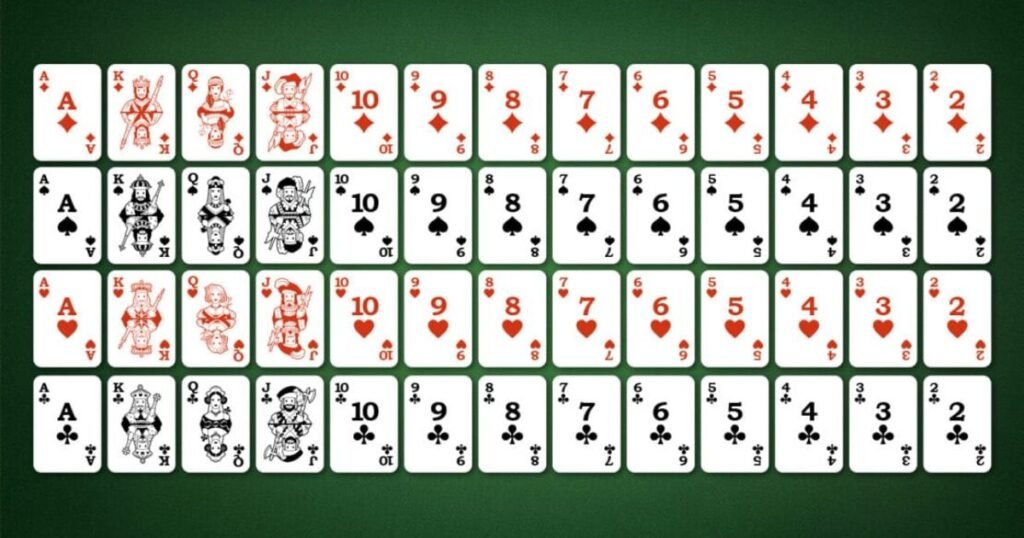
Traditional japanese games have a popular entry card game known as Daifugo. Its name is more or less translated as Grand Millionaire. This is a multiplayer card game with typically three to eight players and is mostly played in a social setting.
As opposed to a lot of other strategic board games, Daifugo emphasizes more on rapid thinking and challenge. Players strive to lay off their entire cards by laying down stronger sets on the table. The winner of the round is whoever completes first.
7. Karuta
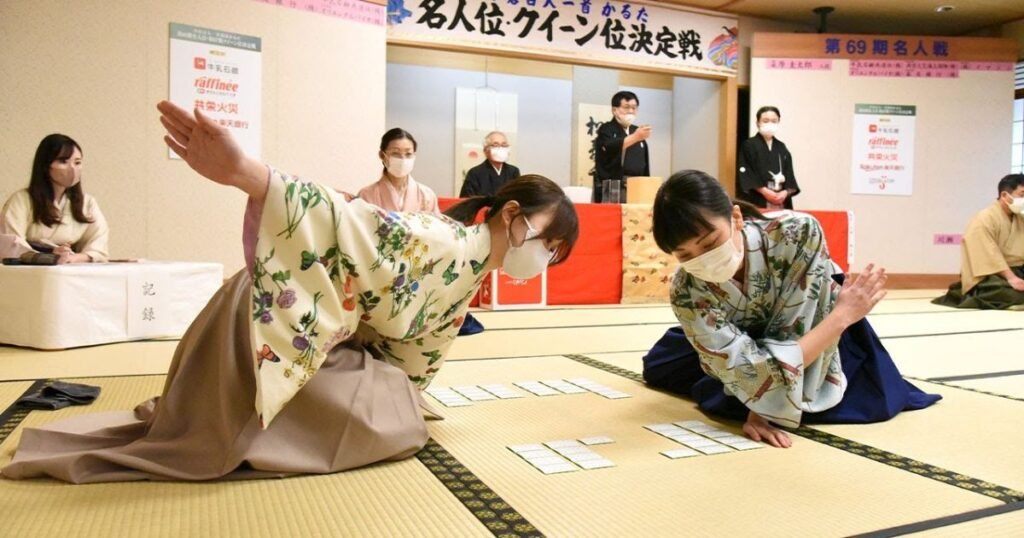
The other distinctive form of japanese board are called karuta. This game involves a combination of poetry, words, and quick reactions. A reader reads lines of traditional poems as the players listen attentively.
The aim is to find and seize the corresponding card that is put on the table in a brief period of time. Speed and memory are needed making Karuta an educational and competitive experience. This game is even taught to many schools as a cultural learning activity.
8. Sugoroku
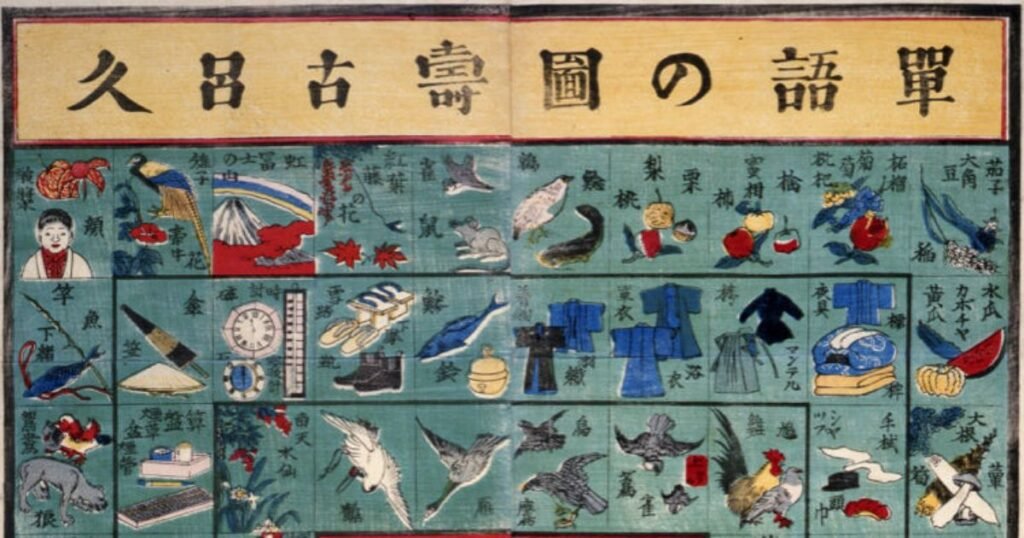
One of the oldest of the traditional japanese board games is Sugoroku. In the past, there were two versions Ban-Sugoroku and E-Sugoroku. In both versions, pieces are moved on a board by rolling dice.
Ban-Sugoroku is similar to such games as backgammon. In the meantime E-Sugoroku is more than modern board games when the players play on the illustrated boards in following the path. In historical Japan at times these versions were employed to convey educational or political messages.
Why Japanese Board Games Remain Popular
A number of reasons can be cited as to why japanese games are still finding players across the world. To begin with, the games are more about strategy and the mental challenge. Players are required to study patterns, foresee moves, and that they change their strategies as often.
Second, numerous board games in japan are concerned with patience and discipline. These attributes belong to larger themes of Japanese culture, in which the focus and tenacity are emphasized.
Lastly, the classic nature enables them to be still applicable even in the digital era. A lot of traditional japanese board games can be played online as applications or in digital format, and people worldwide are enjoying them.
Conclusion
Japanese game world is a very intriguing combination of the strategy, culture, and entertainment. Since the Japan origin of the most popular board games like Shogi and Go, to the puzzle games favorites such as Sudoku, these games have greatly affected gaming traditions over the centuries. In addition, they strike the right balance between being simple and deep so that any player can enjoy regardless of his or her level of skills.
Moreover, these mirror culture and intellectual heritage of Japan. They promote thoughtfulness, patience, and interpersonal communication. Japanese board games unite generations regardless of whether they are played in their parks, at home or online.
Also Read About: Best Football Games for Android