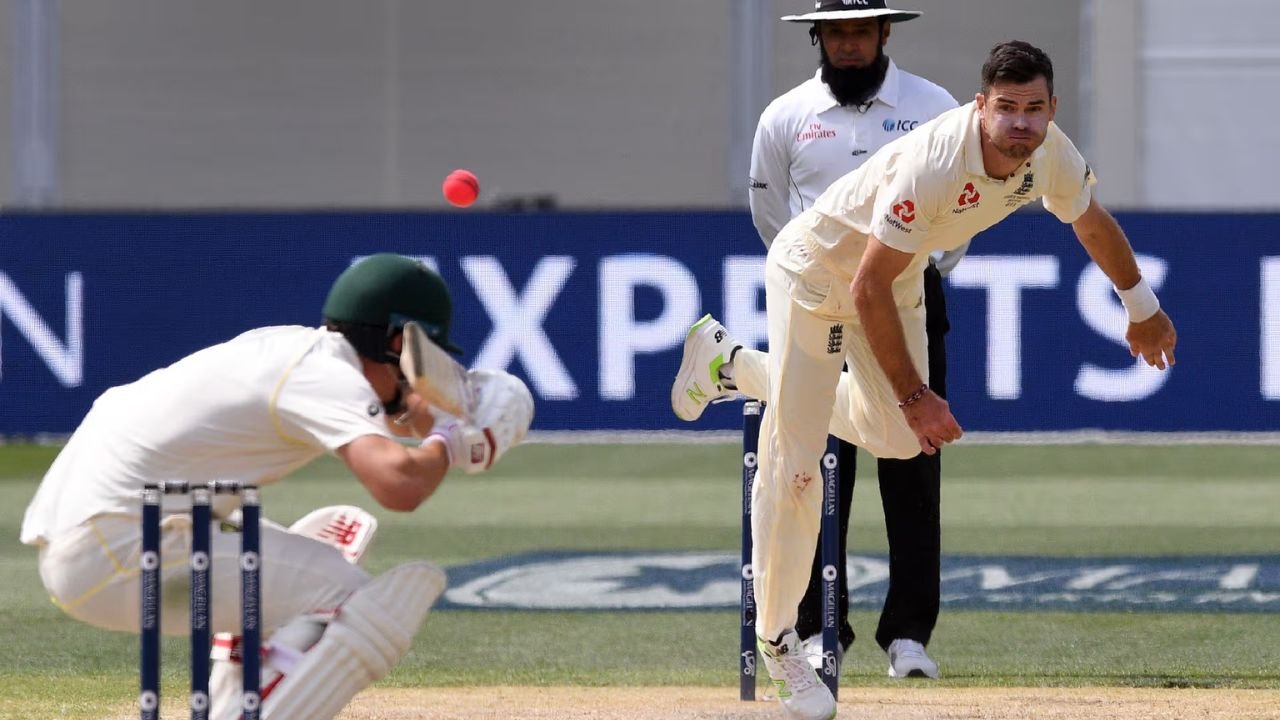
Cricket rewards different kinds of magic, and the art of swing bowling is even today one of the most captivating among them. This debate over the best swing bowler in the world remains a disputable issue amongst fans of the sport, and to be absolutely honest, it is never going to end, as there are so many bowlers that brought something so special to the sport. Others depended upon sheer velocity, others upon precision, and a few, with a control over the progress of the ball that was unrivalled.
This article breaks down the top names in swing bowling history, explains how swing and reverse swing actually work, and clears up common confusion around terms like swing ball. Along the way, you will find practical tips for improving swing bowling and answers to the most common questions fans search for online. Whether you are a casual fan or someone studying the game seriously.
What Is Swing Bowling In Cricket?
Swing bowling is a high-speed bowling technique in which the ball swings laterally in the air and then reaches the batsman. This happens because of the seam position and the pressure difference created by one shiny side and one rough side of the ball. A bowler who controls this movement well becomes far harder to face than one who simply bowls fast without any lateral movement.
Bowling Fast is not just about speed. A bowler running in at 140 kmph without control rarely troubles a good batsman for long. Swing adds the unpredictability factor. It forces the batsman to guess the line, then punishes any wrong guess with an edge or a bowled dismissal. Fast bowling without swing is like a punch without direction. It might land, but it rarely does real damage.
Who Is The Best Swing Bowler In The World?
Most former players and cricket experts name Wasim Akram when this question comes up. He was regarded as “Sultan of Swing” since he was able to swing the new ball in both directions with real speed and, afterwards, would change gears to ruin batting lines with a reverse swing after the ball became older. No other player in the history of cricket matched his mixture of speed, command and swing.
Akram collected 414 and 502 wickets respectively in 104 Tests and 356 ODIs. Only Muttiah Muralitharan has emulated that twice. Ricky Ponting once mentioned that having Akram around would imply that you could get a couple of runs off him, but that you always knew that somewhere within the next row of balls, there was an unplayable one lying in wait. That single line explains why so many rank him above every other fast bowler in this conversation.
What Is Swing Ball And How Does It Actually Work?
This ball refers to the sideways movement a cricket ball makes in the air before it reaches the batsman. This occurs due to the position of the seam and the air pressure developed by the smooth side and the rugged side of the ball. When the shiny side faces the same direction, and the seam is slightly across, then the air flows more quickly over the smooth and more slowly over the rough side.
That change in pressure causes the ball to push sideways. A right-arm bowler whose seam is turned to first slip tends to be an outswinger; a reversal of the seam position is known as an inswinger. Bowlers train for years to be able to move this seam location every time, as any slight wobble at release will alter the whole form of the delivery.
What Is Reverse Swing And Why Does It Trouble Batsmen So Much?
Reverse swing happens when an old, rough cricket ball moves in the opposite direction to what its seam position suggests. It does not curve in advance as a conventional swing, but swings very late, almost before it reaches the bat. That was the last movement, which is precisely the reason why batsmen find it so hard.
Reverse swing owes its discovery to Sarfraz Nawaz, who discovered it in the late 1970s. It was then transformed into a true piece of art by Wasim Akram and Waqar Younis in the 1990s. The toe-crushing yorkers of Waqar via reverse movement became virtually unstoppable, particularly when it came to the final twenty overs of an ODI innings. This normally becomes activated as soon as the ball goes through 25 to 40 overs, when one side is left rough, and the other is polished by constant rubbing.
Swing Meaning In Telugu
The direct native word for swing bowling is not always identical in Telugu and non-native-speaking cricket enthusiasts. Commentators and fans mostly use the English term “స్వింగ్” directly, since it has become part of everyday cricket vocabulary across Andhra Pradesh and Telangana. A rough translation would be “వంపు” which means bending or curving, but this is a term that is very infrequent in the real match commentary. Cricket lingo usually remains in English despite the broadcast of regional languages, and swing bowling happens to be among the most blatant instances of such practice.
6 Best Swing Bowler in the World: Who Redefined Swing Bowling Forever
Picking the best swing bowler in the world ever is tricky because different eras rewarded different skills. Still, six names consistently appear on every credible list, and each one changed quick bowling in his own way.
1. Wasim Akram: The Sultan Of Swing
Akram remains the benchmark for two-way swing at genuine pace. Spotted by Javed Miandad at a cricketing camp in Lahore with hardly any experience in the first class, within a few years, he became the most feared left-arm bowler in the world. His alliance with Waqar Younis shattered batting orders in the 1990s.
2. Richard Hadlee: New Zealand’s Complete Fast Bowler
Hadlee took 431 wickets in just 86 Tests, a strike rate that still amazes statisticians today. His bowling was nearly the only way in which New Zealand could be seen as being competitive in his career. Ian Botham and Malcolm Marshall were dubbed the most complete fast bowlers they had ever encountered.
3. James Anderson: Master Of Disguised Swing
Anderson is the all-time wicket-taker in the history of Test matches in England. He made his career by tricking the outswinger and the inswinger to such a great degree that batsmen have been guilty of committing to one shot, and deciding afterwards in which direction the ball was going to go. He continued to bother international batsmen at the highest level, even after his 40th birthday.
4. Waqar Younis: King Of Reverse Swing Yorkers
Waqar’s slingy action and raw pace made his reverse-swinging yorkers nearly unplayable. He picked up 373 Test wickets and 416 ODI wickets, often demolishing settled batting lineups in a matter of overs. His partnership with Akram remains one of the most destructive new ball and reverse movement combinations cricket has ever seen.
5. Glenn McGrath: Precision Over Pace
McGrath proved that extreme pace is not a requirement for swing bowling success. His seam position stayed almost identical delivery after delivery, and his accuracy exploited what commentators call the corridor of uncertainty. His 8 wickets for 38 runs against England at Lord’s during the 1997 Ashes remains one of the greatest swing bowling spells in history.
6. Malcolm Marshall: Pace And Swing Combined
Marshall combined raw pace, bouncers, and genuine swing better than almost anyone from the West Indies pace battery. He was rated by both Brian Lala and Michael Holding as the most complete fast bowler that they had ever seen. He struck an astounding 376 Test wickets in only 81 matches, an impressive average of one every five matches, and his success came in using both speed and swing.
Quick Overview Of Top Swing Bowlers
| Bowler | Country | Test Wickets | ODI Wickets | Known For |
| Wasim Akram | Pakistan | 414 | 502 | Two way swing at pace |
| Richard Hadlee | New Zealand | 431 | 158 | Seam and swing precision |
| James Anderson | England | 700 plus | 269 | Disguised outswinger |
| Waqar Younis | Pakistan | 373 | 416 | Reverse swing yorkers |
| Glenn McGrath | Australia | 563 | 381 | Accuracy and seam control |
| Malcolm Marshall | West Indies | 376 | 157 | Pace combined with swing |
Common Mistakes Made by Young Swing Bowlers
Young fast bowlers are intent on speed in the first place, and in the second place, there is no seam position. That habit alone restrains the number of years that they can swing. Some others forget the proper way of handling the ball in a game, and the shine, not being retained upon a single side, is evenly distributed, and the possibility of returning the players later in the endeavour is destroyed.
One common strategic flaw is the one of length. Pitching too full by bowlers eliminates the time it would take the ball to swing, whereas bowlers pitching too short will have no swing effect at all. It is not an innate ability but rather years of practice before one can get that length perfect.
Best Practices To Improve Swing Bowling
Consistency matters more than raw talent here. An athlete who repeats the same ball in its seam each time is far more dangerous than an athlete of natural ability but lacking discipline. To make a bowler’s swing consistent, one should emphasize the following areas:
- Keep the seam upright through the delivery stride every single time
- Work on wrist position so the outswinger and inswinger look identical at release
- Manage ball shine carefully by keeping one side smooth throughout the innings
- Bowl a fuller length that still troubles the stumps rather than dropping too short
- Study pitch and weather conditions before deciding which swing to prioritize
Future Of Swing Bowling In Modern Cricket
Franchise cricket has now driven the bowlers towards newer iterations such as the wobble seam that combines traditional swing with unreliable seam motion. Even bowlers such as Shaheen Shah Afridi and Jofra Archer are already training with motion capture technology to analyze the position of their seam on a frame-by-frame basis and their wrist angle.
The concept of fast bowling has kept on developing, but the essence of swing ball and reverse swing has remained the same since the time when Sarfraz Nawaz discovered reverse movement decades ago. Contemporary bowlers just perfect old methods with more data and training aids.
Conclusion
Swing bowling stays special because it rewards smart thinking over sheer strength. Any bowler who reads the pitch effectively and manages the seam can bother any batsman on any particular day, and that is a skill that never goes out of the game. Wasim Akram is at the top of the list of the best swing bowler in the world, but Hadlee, Anderson, Waqar, McGrath, and Marshall each contributed their own flavor to this art. Collectively, they demonstrate that swing bowling is actually a matter of patience, control, and analyzing the game.
Also Read About: