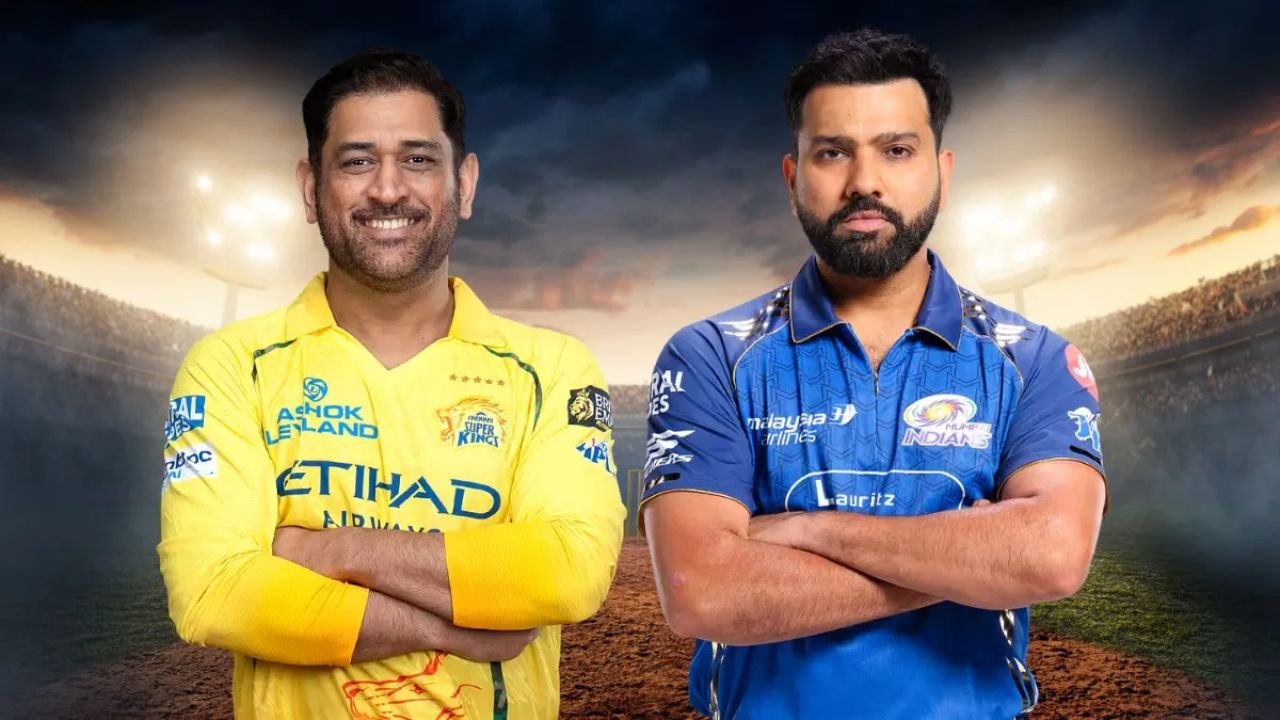
Cricket fans argue about this topic every single season. Someone brings up Dhoni, another mentions the aggressiveness of Rohit, and within several minutes, a full discussion on the subject of trophies, win rates, and styles of leadership begins. The reason why footballers have argued that way is that IPL captaincy truly makes the difference between good and great teams. Without an intelligent coach, a great team of gifted players will underperform, and a moderately gifted team under the coach who is clever enough will lead to the championship. However, this article continues to dissect the real winners of the best captain in the IPL (not just in popularity, but also in results, consistency, and tactical influence).
Best Captain in the IPL: Quick Overview
| Captain | Franchise(s) | Titles Won | Standout Trait |
| MS Dhoni | Chennai Super Kings | 5 | Calm decision-making under pressure |
| Rohit Sharma | Mumbai Indians | 5 | Aggressive captaincy and player management |
| Rajat Patidar | Royal Challengers Bengaluru | 2 (back-to-back) | Modern tactical clarity |
| Gautam Gambhir | Kolkata Knight Riders | 2 | Sharp game awareness |
| Hardik Pandya | Gujarat Titans | 1 | Title in debut season |
| Shane Warne | Rajasthan Royals | 1 | Unorthodox field strategy |
| David Warner | Sunrisers Hyderabad | 1 | High batting and win average |
| Adam Gilchrist | Deccan Chargers | 1 | Fearless, attacking approach |
| Virat Kohli | Royal Challengers Bengaluru | 0 | Strong team culture builder |
| Shreyas Iyer | Delhi Capitals | 0 (finalist) | Composed young leadership |
Who is the most successful captain in ipl?
When individuals go online to find the most successful captain in the IPL, they do not desire to get an answer that is based on numbers as opposed to views. The statistics are clearly inclined towards two names, MS Dhoni and Rohit Sharma. The two have triumphed with the trophy five times, and the two have constructed franchises that have not focused on short-term star power but on long-term stability. Four such captains whose description of successful IPL leadership is actually a closer look are given below.
1. MS Dhoni: The Captain Who Redefined Calmness
Dhoni did not achieve his reputation because of over-the-top gestures and head-shouts. It was brought about by his capability in remaining calm when a game seemed totally lost. The team of Chennai Super Kings has put a lot of trust in him in more than a few seasons, even in a two-year ban, and he has paid it off by bringing the team back to the top almost every time he comes back. His tendency to support the young bowlers in the last over despite having ceded some runs in the previous overs developed into a trademark. Such trust builds trust among players, and those who are trustworthy perform better in times of pressure. Dhoni has a win percentage of approximately 58%, and this is one of the highest in IPL history throughout a lengthy captaincy career.
2. Rohit Sharma: Built Mumbai Indians Into a Dynasty
In 2013, Rohit assumed the leadership of the Mumbai Indians and turned around its fortunes. It is so rare that a leader could become a champion in his first season as a captain, and he has achieved it. The difference between Rohit and Dhoni is based on their attacking nature. He likes aggressive areas, swift twicketing tactics, and performed batting shifts. The Mumbai Indians, led by Rohit, were known to hit their peaks at the right time and particularly in the playoffs. His five titles put him at the pinnacle next to Dhoni, and his cricketing brain has been viewed by many retired players as being just as sharp, though not manifested on the field.
3. Rajat Patidar: The New Face of Successful Captaincy
The story of Patidar is unique owing to the fact that during the years that RCB had to lift a trophy, the club had none. In 2025, when he was appointed captain, no high hopes were placed on him. No one foretold consecutive championships. But Patidar led RCB to their maiden title that year, and like Dhoni and Rohit, he defended it correctly in 2026, making him only the third captain in IPL history to win consecutive titles. His approach as a captain lies in straightforwardness, as opposed to sophistication. He is indulging in batting roles in a very simple manner; he even leaves it to his bowlers to play well and not panic when the form drops in the short term. That steadiness transformed RCB into an overachiever in terms of the stars, into a really balanced champion squad.
4. Gautam Gambhir: Tactical Precision at Its Best
Gambhir does not obtain the same amount of credit that Dhoni and Rohit do, and his record on captaincy is just as worthy to appreciate. He guided Kolkata Knight Riders to two trophies, in 2012 and 2014, and the two campaigns displayed that he was the man who was able to perform at the opportune time. Gambhir was not exactly a traditional aggressive captain. Rather, he used acute situational awareness more smoothly, knowing when to launch an attack and when to be cautious. His teams usually appeared to be mundane in the case of the league stage and then made a metamorphosis into an alternate outfit in the case of knockouts, and this is a testimony to the abilities of his man management behind the scenes.
Why Win Percentage Matters More Than Just Titles
Counting titles alone gives an incomplete picture of captaincy success. The title conversion rate is technically 33% when a captain is a title-winner in three seasons, and 11.1% when a title-winner is a captain in ten seasons, which is a title conversion rate of the same number, albeit with more seasons. The win percentage over the full seasons informs you how a captain has been able to deliver results consistently, not only the fact that he was lucky in a single knockout run.
The case of Hardik Pandya is an example. In his first season as the captain of Gujarat Titans, he won the title, and his win percentage as a captain is among the highest among active captains. The one bit of data places him in deep conversation alongside captains who have much longer experience. Likewise, the fast act of Patidar indicates that any fair ranking cannot be based on tenure time, but on win percentage.
How Overseas Captains Changed IPL Leadership Forever
The great IPL captaincy is not only in the hands of Indian players. Shane Warne demonstrated this during the first season and made a Royals team that was an underdog, the inaugural champions in 2008. No one reckoned that the team could have even made it to the playoffs, but the non-standard field formations, as well as his understanding to bank on untapped, uncapped Indian talent, made them champions. A similar route was taken by Adam Gilchrist after winning the Deccan Chargers in 2009 through his aggressive and no-fear style, which was tailor-made to suit the shorter format.
This legacy was later on added by David Warner, who led Sunrisers Hyderabad to their first-ever title in 2016. He demonstrated that a captain does not necessarily have to be an analytical genius who sits back and analyses the game through his leadership style, which was best characterized by batting. At other times, being front and centre, wielding a bat, is equally motivating to teammates. Such international captains demonstrated that it is adaptive and trust-building that helps them achieve success in the IPL rather than familiarity with the Indian conditions or local players.
Captains Who Never Won a Title But Still Left a Mark
Not every great captain has a trophy to show for their efforts. Virat Kohli has more or less a decade of command, without holding the title with Royal Challengers Bengaluru, but his impact on the culture of the franchise is solid. He built RCB into a fielding team that is one of the most offensive in the league and has continued to drive his team to the playoffs despite imbalances in the squad in a few seasons.
Shreyas Iyer is a kind of small imitation of a story. At the age that he was, he managed to get Delhi Capitals to their first IPL final in many years, and this portrayed him as very composed. Although both these captains were blinded by their titles, their contributions to each franchise’s strategy influenced the way these teams handled subsequent seasons. The reduction of judging captaincy solely on a trophy basis lets slip the precious long-term worth that such leaders added to their teams.
Conclusion
Ranking the best captain in the IPL will always involve some subjectivity, but the data makes certain names impossible to ignore. Dhoni and Rohit remain the gold standard with five titles each, built through years of consistent decision-making rather than short bursts of luck. The swift ascendancy of Patidar demonstrates that updated leadership styles can continue to bring championship outcomes in a franchise with several years of poor performance. As demonstrated by Gambhir, Warne, Gilchrist, and Warner, captaincy success can be accomplished in various ways, either through laid-back tactical decisions or front-foot aggressive leadership.
When coming up with the numbers of the most successful captain in IPL, Dhoni and Rohit top that discussion with little objection. However, cricket never stands still, and leaders such as Patidar keep everyone focused on the fact that any franchise can produce the next great leader always, anytime, provided there is the right combination of trust, clarity, and the ability to keep calm when faced with a challenging situation.
Also Read About: Most Dangerous Batsman in IPL | Most Handsome Cricketer in the World